
Choosing an incontinence product can feel complicated because there is no single option that works for every person or every situation. The right choice depends on the amount and frequency of bladder leaks, when protection is needed, mobility, comfort, and personal preference.
Understanding the main options can make it easier to find a solution that fits naturally into everyday life.
Consider the Amount of Protection Needed
Begin by thinking about how often leaks happen and how much protection is usually required.
Light bladder leaks may occur during coughing, laughing, exercising, or lifting. More frequent or higher-volume leaks may require greater absorbency and wider protective coverage.
Product capacity can be useful when comparing options, but it should not be the only consideration. Fit, movement, body position, and the location of the absorbent area can all influence how a product performs.
Compare the Different Product Types
Several types of incontinence products are available, and each works differently.
Absorbent Pads
Pads are placed inside close-fitting underwear and are available in different shapes and absorbency levels. They can be a practical choice for lighter or occasional leaks because they are easy to change without replacing the rest of the clothing.
However, the underwear must hold the pad securely. If it shifts during movement, its coverage may no longer match where protection is needed.
Protective Underwear
Protective underwear has absorbent material built directly into the garment. Styles may be disposable or washable and are commonly designed to resemble regular underwear.
This can be useful for people who prefer a single pull-on garment instead of combining a pad with separate underwear.
Washable Incontinence Pants
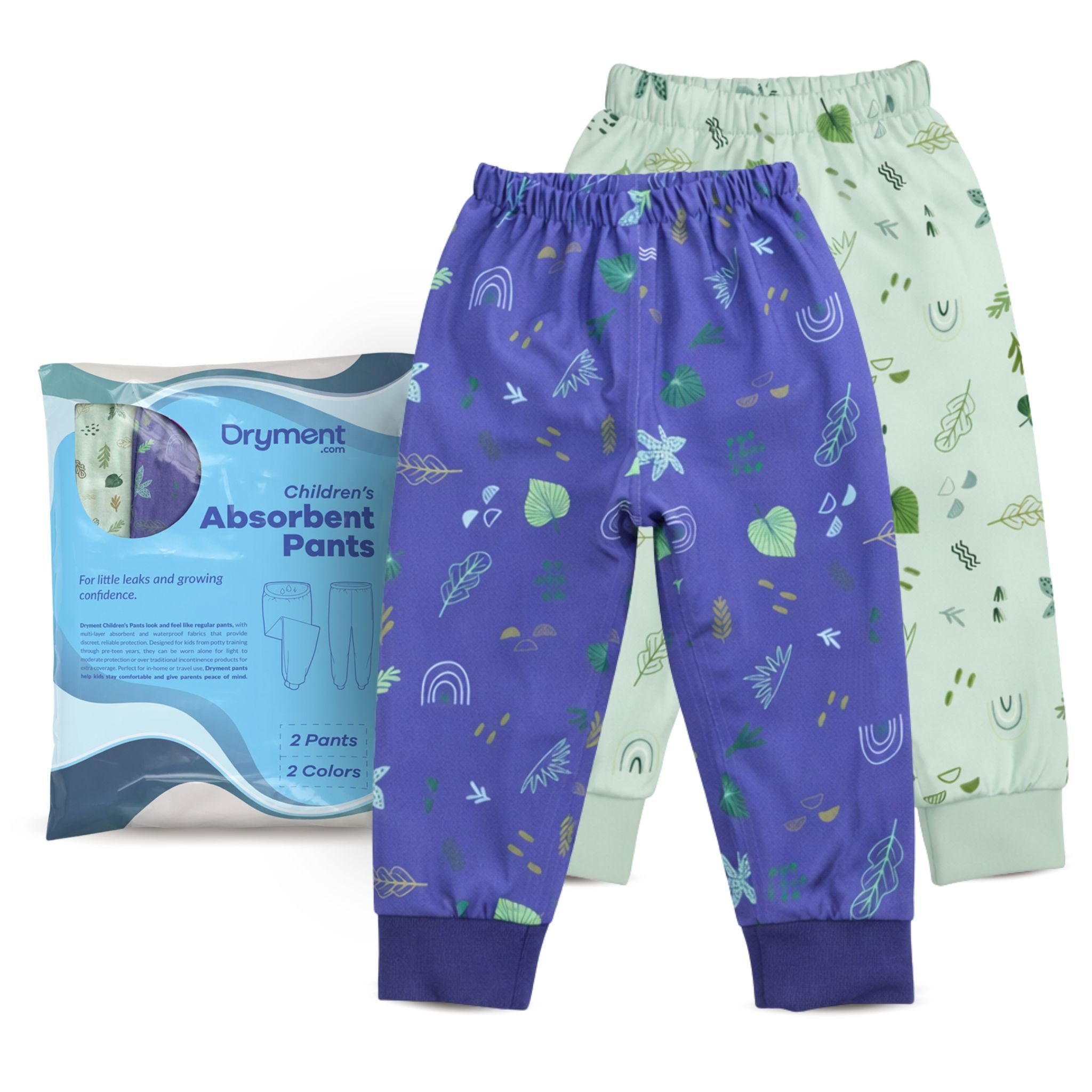
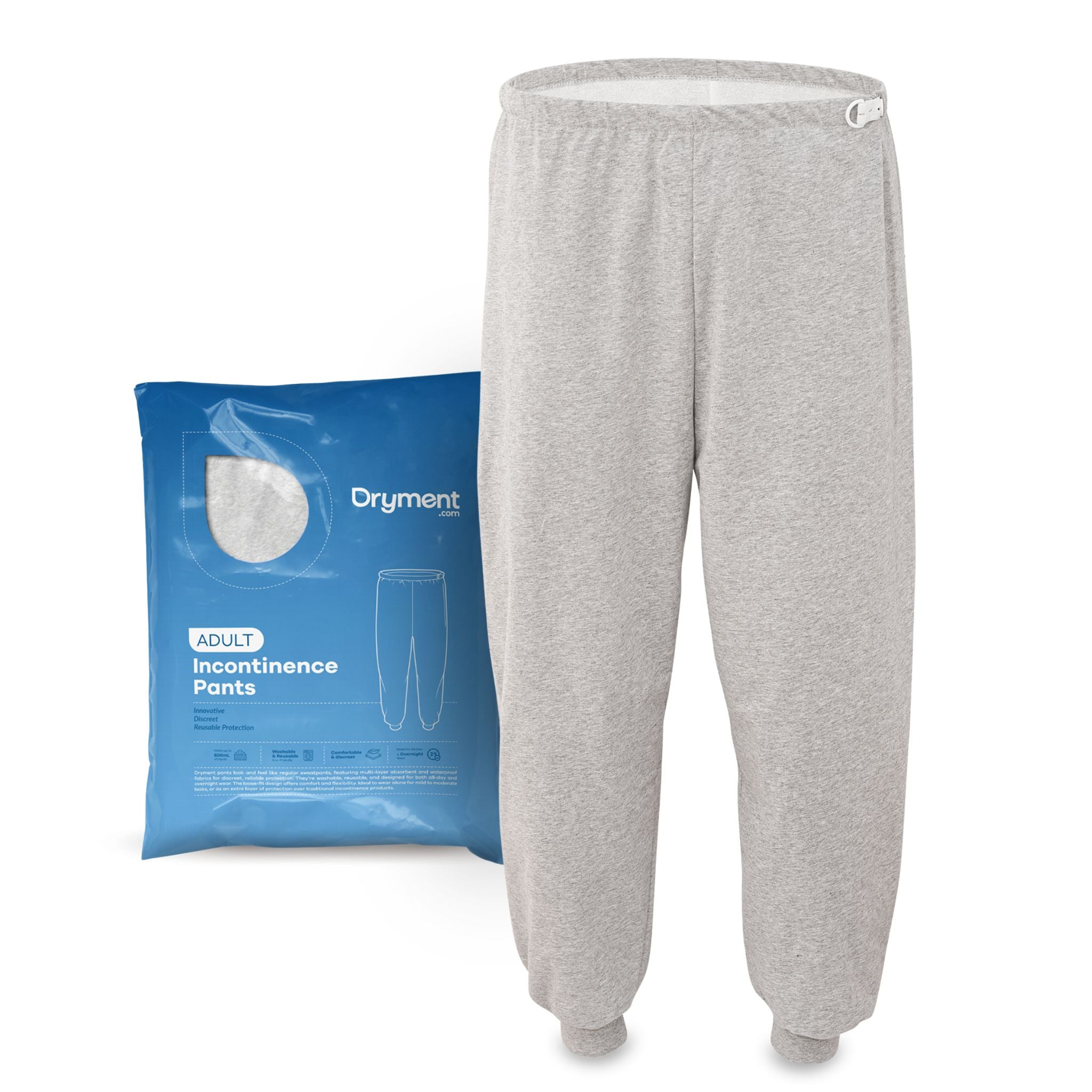
Washable incontinence pants combine reusable absorbent protection with the appearance of ordinary clothing. Depending on the design, they may resemble underwear, pajama bottoms, loungewear, or sweatpants.
This option may suit people who want greater coverage or a complete garment that can be washed and worn again. Because washable products require time to dry, keeping several pairs in rotation can make everyday use easier.
Bed and Chair Protection
Washable or disposable protective covers can help protect mattresses, bedding, chairs, and other surfaces. They may be used alone or alongside a body-worn product, depending on the person’s needs.
These products are especially useful overnight, during longer periods of sitting, or while testing which body-worn option provides the best coverage.
Think About When It Will Be Worn
A product that works well during the day may not provide the same experience overnight.
For daytime use, consider walking, sitting, bending, travel, and access to a bathroom. For overnight use, absorbency, coverage, sleeping position, and how long the product will be worn all become especially important.
Some people use different products for different parts of their routine. A lighter option may be suitable for short outings, while a more absorbent garment may be preferred for longer journeys or sleeping.
Check the Fit and Sizing
Fit helps keep the absorbent area positioned correctly. A product that is too loose may move or create gaps, while one that is too tight can feel uncomfortable and restrict movement.
Use the manufacturer’s size guide rather than relying only on a usual clothing size. Measure the waist and hips and compare both measurements with the chart. An adjustable waistband can be helpful for someone who falls between sizes or experiences changes in weight.
Consider Comfort and Ease of Use
The product should feel manageable within the wearer’s normal routine. Consider whether it is easy to pull on and remove, whether assistance is required when dressing, and how simple it will be to change while away from home.
Material, waistband design, leg openings, coverage, and the number of absorbent layers can all affect comfort. The best option is one that provides suitable protection without making ordinary movement unnecessarily difficult.
Reusable or Disposable?
Reusable products can be washed and worn again, reducing the number of single-use items needed. They may also feel more like familiar clothing. However, they require regular washing, sufficient drying time, and enough pairs to maintain a practical rotation.
Disposable products can be convenient for travel, changing away from home, or situations where laundry access is limited. Some people use one type consistently, while others combine reusable and disposable options depending on the situation.
Dryment Washable Incontinence Pants
Dryment washable incontinence pants are designed for people who want built-in absorbent protection in a garment that looks and feels like regular sweatpants. They provide absorbency for bladder leaks of up to 1,000 ml and do not require a separate insert.
The pull-on design provides full-leg coverage for everyday activities, relaxing at home, travel, or overnight wear. Grey adult Dryment pants include an adjustable waistband for a more flexible fit, while the black and navy styles have a standard elastic waistband.
Dryment pants are available in adult and children’s sizes. They are machine washable and should be air dried without using bleach, fabric softener, or a dryer. As with other washable absorbent products, they should be washed before their first use.
Allow Time to Find the Right Option
Finding the right incontinence product may require some adjustment. The first choice may not provide the ideal combination of fit, absorbency, comfort, and coverage.
Trying a product within a normal routine can help identify what works well and what needs to change. Keeping track of when leaks occur, how much protection is needed, and which activities affect the fit can make the next choice easier.
Incontinence products can help manage bladder leaks, but they do not identify or treat the underlying cause. New, sudden, painful, or worsening bladder changes should be discussed with a healthcare professional.