
Bladder leaks are more common than many people realize, and they can happen for a variety of reasons. For some people they're occasional, while for others they become part of everyday life. Understanding what may be contributing to bladder leaks is often the first step toward finding practical ways to manage them.
1. Aging
As we get older, the muscles that support the bladder and help control urination can naturally weaken. The bladder itself may also become more sensitive or hold less urine than it once did.
While bladder leaks are more common with age, they aren't an inevitable part of getting older. Many people maintain good bladder control throughout their lives, but age can increase the likelihood of occasional or ongoing leaks.
2. Pregnancy and Childbirth
Pregnancy places extra pressure on the bladder and pelvic floor muscles, making leaks more likely, especially when coughing, sneezing, laughing, or exercising.
After childbirth, the muscles and nerves involved in bladder control may take time to recover. For some women the symptoms improve naturally, while others continue to experience leaks. Pelvic floor exercises and other management strategies can often help.
3. Surgery
Certain procedures, including prostate, pelvic, gynecological, or some spinal surgeries, can temporarily affect bladder control. Surgery may impact the muscles or nerves involved in urination, although many people notice improvement as they recover.
If bladder leaks begin after surgery, it's always worth discussing them with your healthcare provider.
4. Medical Conditions
A number of health conditions can affect how the bladder functions. Diabetes, stroke, Parkinson's disease, multiple sclerosis, urinary tract infections, and an enlarged prostate are just a few examples.
Because the causes vary, identifying the underlying condition is often the best way to find the most appropriate treatment or management plan.
5. Mobility Challenges
Sometimes the bladder isn't the problem at all. Arthritis, balance issues, injury recovery, or reduced mobility can make it difficult to reach the bathroom in time. This is known as functional incontinence.
Simple changes, such as making the bathroom easier to access, following a regular bathroom schedule, or wearing supportive absorbent clothing, can make everyday routines much easier.
Living Comfortably with Bladder Leaks
No matter the cause, many people successfully manage bladder leaks with a combination of healthy habits and the right support. Staying hydrated, maintaining regular bathroom routines, strengthening the pelvic floor when appropriate, and speaking with a healthcare professional can all make a difference.
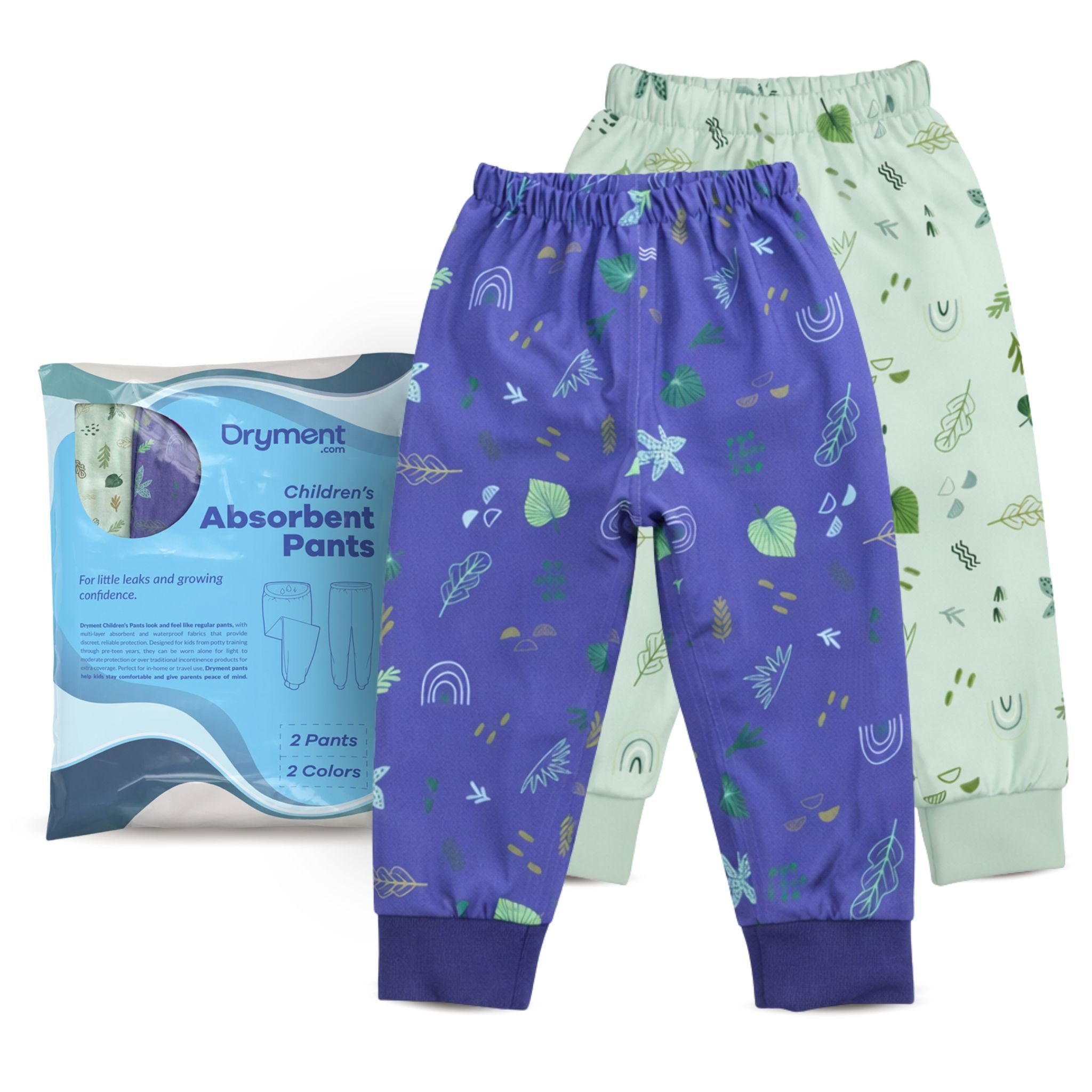
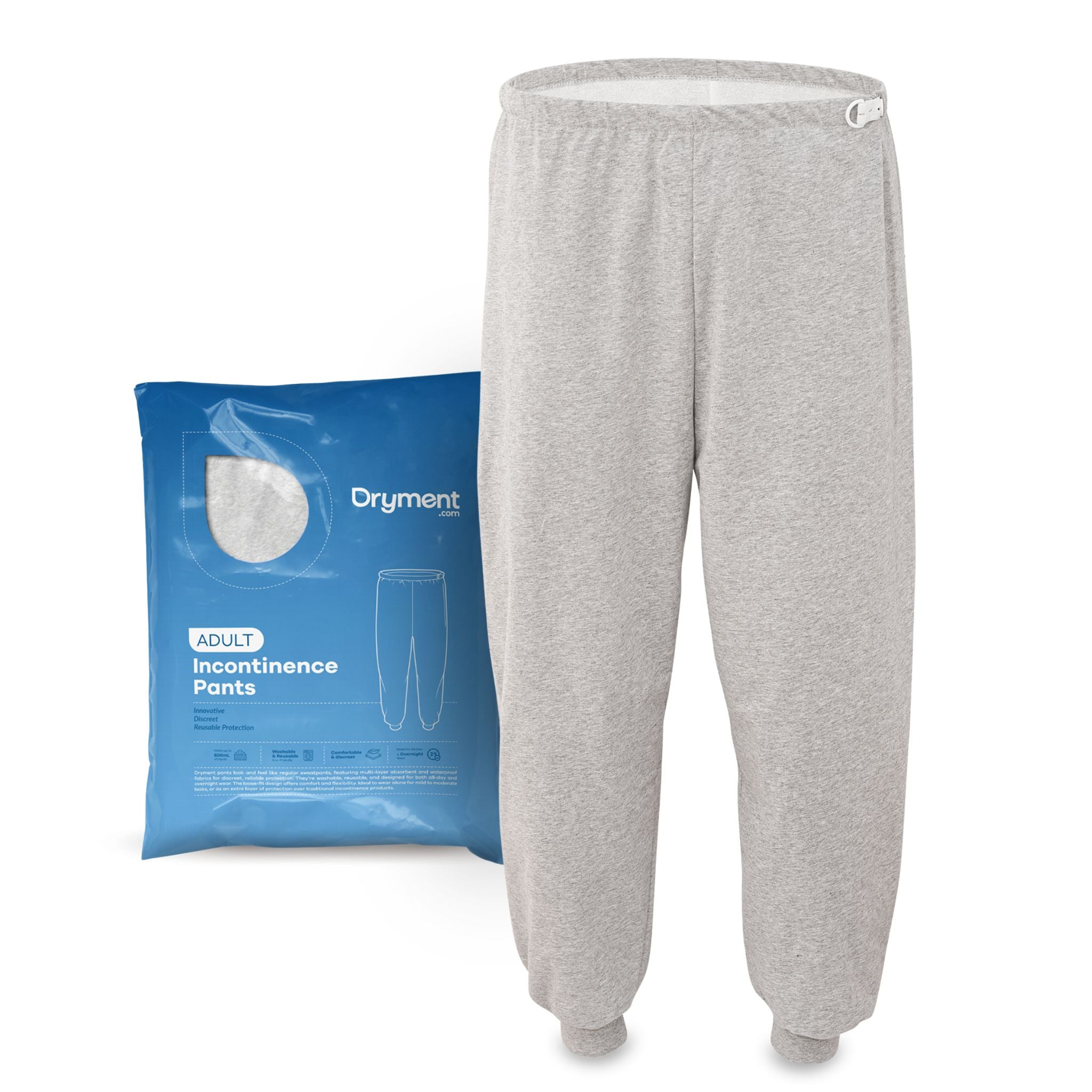
Many people also choose reusable absorbent clothing as part of their daily routine. Dryment washable absorbent pants are designed to look and feel like regular sweatpants while providing extra protection throughout the day. They're reusable, machine washable, and designed to fit comfortably into everyday life.