
Stress and urge incontinence are two common forms of urinary incontinence. Although both can result in bladder leaks, they happen in different ways and may require different approaches to management.
The main difference is what happens immediately before the leak: physical pressure in stress incontinence, or a sudden need to urinate in urge incontinence.
What Is Stress Incontinence?
Stress incontinence occurs when movement or physical activity places additional pressure on the bladder. Despite its name, it is not caused by emotional stress.
A leak may happen while coughing, sneezing, laughing, bending, lifting something heavy, exercising or changing position. It often occurs without a strong need to urinate beforehand.
Stress incontinence is commonly associated with changes to the pelvic floor muscles or the muscles that help keep the urethra closed. Pregnancy, childbirth, certain surgeries, persistent coughing and increased pressure on the pelvic floor can all contribute.
What Is Urge Incontinence?
Urge incontinence begins with a sudden and difficult-to-delay need to urinate. Leakage occurs when there is not enough time to reach a bathroom.
The urge may appear without an obvious reason, although some people notice it when hearing running water, arriving home or standing up. Urge incontinence may also be accompanied by frequent bathroom visits during the day or waking during the night to urinate.
It is often connected to overactive bladder, but the terms do not mean exactly the same thing. Overactive bladder can cause urgency and frequent urination without leakage. Urge incontinence specifically includes leakage following a sudden urge.
How Can You Tell the Difference?
Think about what usually happens first.
If a cough, laugh, lift or other movement causes the leak, it is more consistent with stress incontinence. If the leak follows a sudden need to urinate that is difficult to control, it is more consistent with urge incontinence.
The amount of urine leaked does not reliably identify the type. Either can vary from a few drops to a larger leak depending on the individual circumstances.
Can Someone Experience Both?
Yes. Experiencing stress and urge incontinence together is known as mixed incontinence.
Someone with mixed incontinence might leak when sneezing on one occasion and experience leakage after a sudden urge on another. One pattern may be more noticeable, but both are important when discussing symptoms with a healthcare professional.
Why Identifying the Pattern Matters
Different types of incontinence can have different contributing factors and management options.
Pelvic floor muscle training is commonly recommended for stress incontinence. Bladder training and urgency-control techniques may be considered for urge incontinence. Depending on the symptoms and their cause, other options can include lifestyle adjustments, physical therapy, medication, medical devices or procedures.
A short bladder diary can make patterns easier to recognize. For a few days, record when you drink, use the bathroom or experience a leak. Note whether you felt a strong urge and what you were doing immediately beforehand.
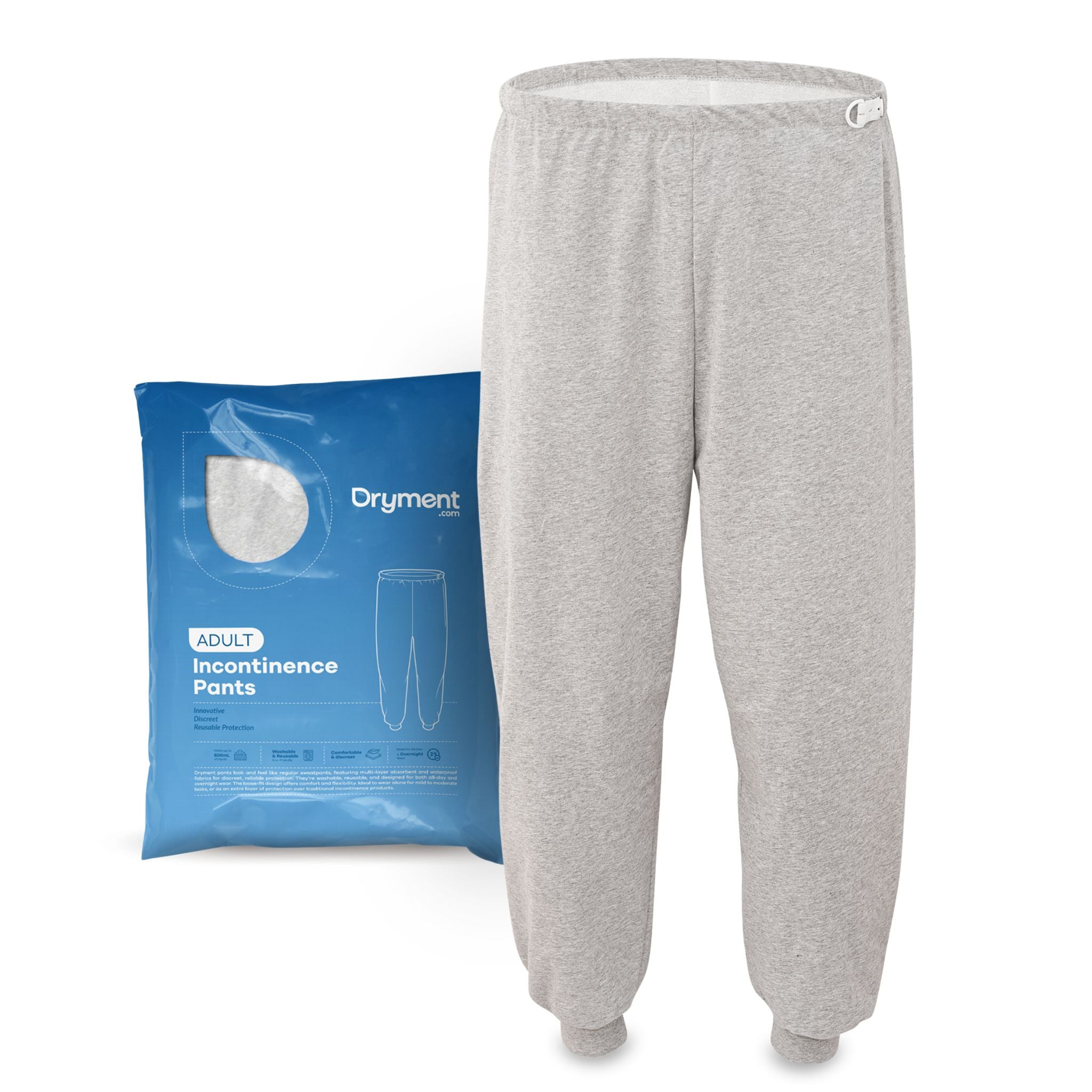
Practical clothing can also support the everyday management of bladder leaks while the underlying pattern is being assessed. Dryment offers washable, absorbent pants designed with the appearance and comfort of regular clothing, providing an additional layer of protection for everyday activities or overnight use.
When Should You Seek Medical Advice?
Bladder leaks are worth discussing with a healthcare professional when they happen regularly, begin suddenly, disturb sleep or interfere with everyday activities. Symptoms such as pain, burning, blood in the urine, fever, difficulty urinating or a feeling that the bladder is not emptying should also be assessed.
Stress and urge incontinence can feel similar at first, but their triggers provide an important clue. Recognizing whether a leak follows physical pressure, sudden urgency or both can help guide the next step.