
When people experience bladder leaks for the first time, many assume they are alone. In reality, urinary incontinence is one of the most common health concerns affecting adults worldwide.
Despite how widespread it is, incontinence often remains a private topic. As a result, many people underestimate just how many others are navigating similar experiences every day. Understanding the prevalence of incontinence can help reduce misconceptions and encourage open conversations about available support and management options.
Millions of People Experience Incontinence
Urinary incontinence affects millions of people around the world. Studies estimate that hundreds of millions of adults experience some form of bladder leakage, ranging from occasional drips to more frequent episodes.
While exact numbers vary depending on age, gender, and health conditions, research consistently shows that bladder leaks are far more common than many people realize. In fact, healthcare professionals consider incontinence one of the most widespread chronic conditions among older adults, though it can affect people of all ages.
One common misconception is that incontinence only affects women. While women are more likely to experience certain types of bladder leaks due to factors such as pregnancy, childbirth, menopause, and pelvic floor changes, men are also frequently affected.
Men may experience bladder control challenges related to prostate conditions, prostate surgery, neurological conditions, or age-related changes in bladder function. Although the causes may differ, bladder leaks are a shared experience that affects people across genders, lifestyles, and age groups.
Because many individuals never discuss their symptoms or seek medical advice, experts believe the true number of people living with incontinence may be even higher than reported.
Why Incontinence Becomes More Common With Age
Incontinence can occur at any stage of life, but it does become more common as people get older.
As we age, changes in muscle strength, mobility, bladder function, and overall health can increase the likelihood of experiencing leaks. Certain medical conditions that affect bladder control also become more common later in life.
However, it is important to remember that bladder leaks are not an inevitable part of aging. Many older adults maintain good bladder control throughout their lives, while others may benefit from strategies that help them continue enjoying their normal routines.
Simple approaches such as staying active, maintaining healthy bathroom habits, performing pelvic floor exercises, and using supportive products when needed can help many people manage symptoms effectively.
Why So Few People Talk About It
Despite how common it is, incontinence remains one of the least discussed health topics.
Many people assume bladder leaks are unusual because they rarely hear others talk about them. In reality, millions of people are managing similar challenges every day.
Others simply adapt quietly. They may plan outings around restroom access, adjust their clothing choices, or develop new daily habits without ever discussing the reason with friends or family members.
There is also a lack of awareness about available management options. Some people assume bladder leaks are something they simply have to live with, without realizing there are lifestyle strategies, healthcare treatments, and supportive products that may help.
Fortunately, awareness around bladder health has improved significantly in recent years. More people are speaking openly about their experiences, helping to normalize conversations around a condition that affects so many individuals.
Finding Practical Solutions
Today, there are more options than ever for managing bladder leaks comfortably and confidently.
Some people focus on lifestyle adjustments, while others combine multiple approaches to create a routine that works for their needs. Scheduled bathroom visits, healthy hydration habits, pelvic floor exercises, and guidance from healthcare professionals can all play an important role.
Many individuals also choose supportive clothing solutions designed to fit naturally into everyday life. Washable absorbent garments have become increasingly popular because they can be reused, laundered at home, and worn as part of a regular daily routine.
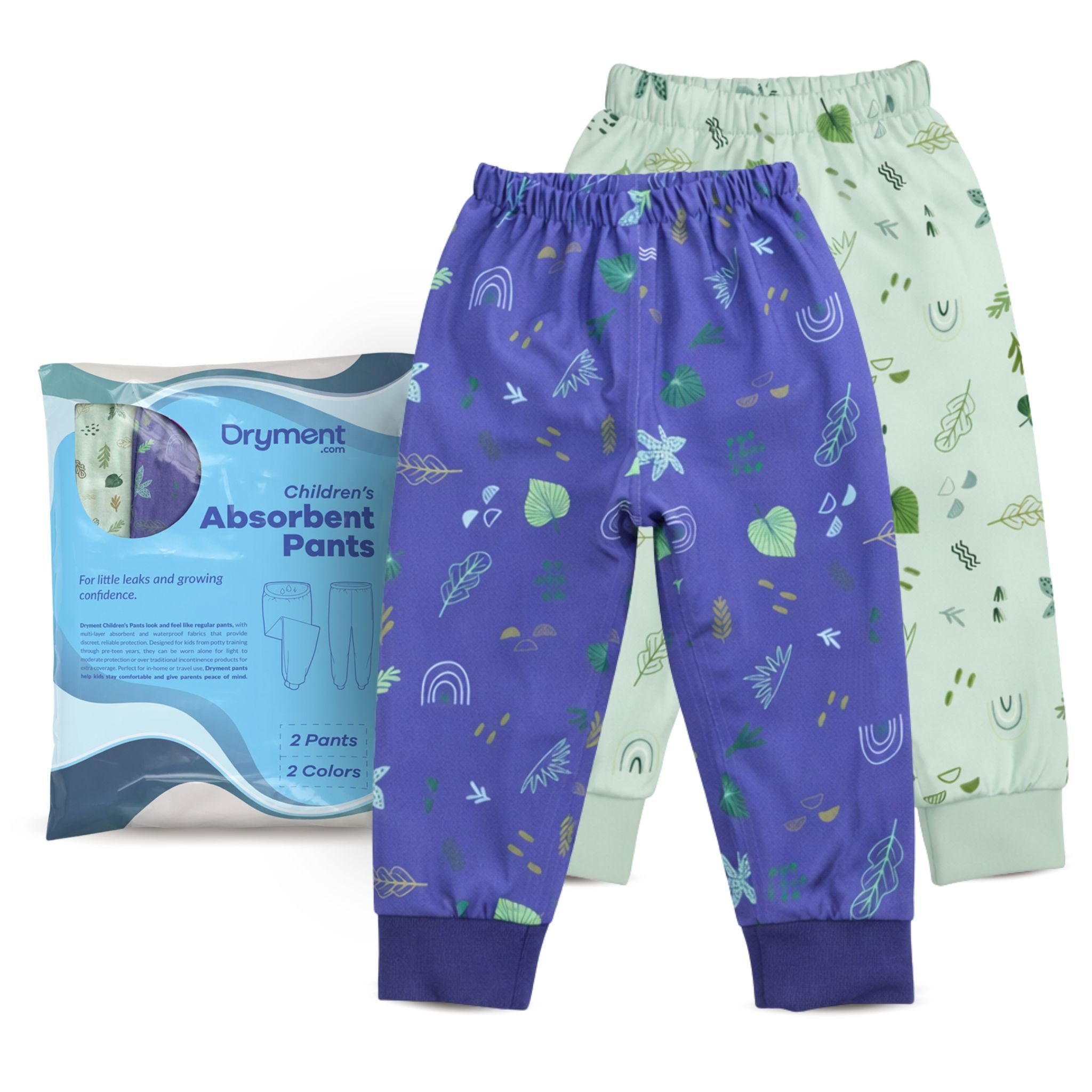
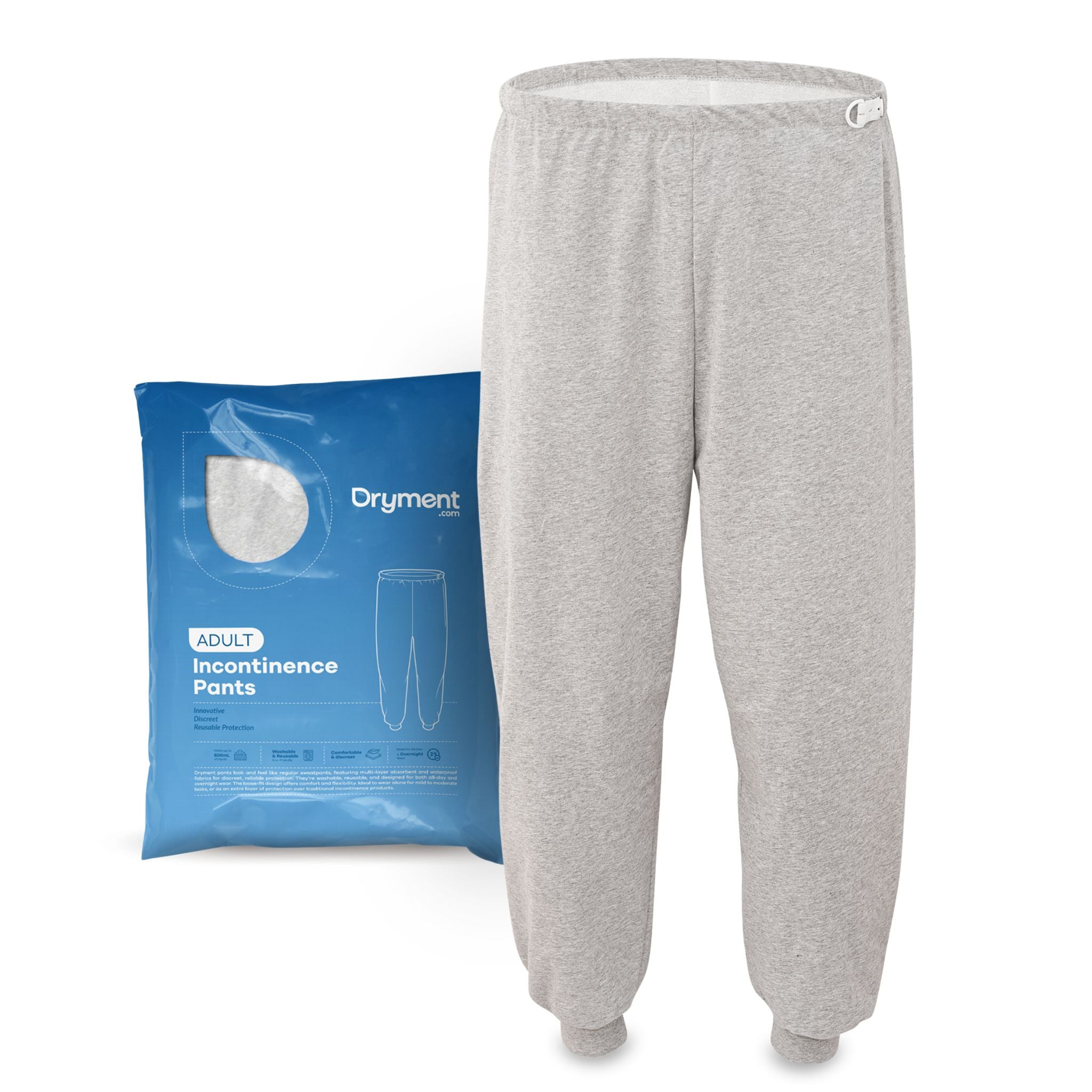
For example, some people choose washable absorbent pants such as Dryment because they look and feel like everyday sweatpants while providing additional support for managing leaks. Their reusable design allows them to fit seamlessly into many people's lifestyles.
The best solution is always the one that helps you stay comfortable, active, and confident in your day-to-day activities.
You're Far From Alone
If you experience bladder leaks, you are part of a much larger community than you might think.
Incontinence affects millions of men and women across all age groups and lifestyles. While it may not be discussed often, it is a common experience with many practical management options available.
By learning more about bladder health, speaking with healthcare professionals when needed, and finding solutions that fit your routine, it is possible to continue enjoying everyday life with comfort, confidence, and peace of mind.