
Bladder leaks, also known as urinary incontinence, are more common than many people realize. Millions of adults experience occasional or frequent leaks, yet it is a topic that often goes undiscussed.
The good news is that there are many ways to manage bladder leaks and continue enjoying everyday activities with comfort and confidence. Understanding what incontinence is and what options are available can help you make informed decisions about your daily routine.
What Is Incontinence?
Urinary incontinence is the unintentional loss of urine. It can range from a few drops during physical activity to larger leaks that occur unexpectedly.
Experiences vary from person to person. Some individuals notice leaks when they cough, laugh, exercise, or lift objects, while others may feel a sudden urge to use the bathroom and not reach it in time.
Incontinence is not a disease itself. Instead, it is a symptom that can be associated with a variety of factors, including aging, certain medical conditions, physical changes, and lifestyle factors.
While bladder leaks can feel frustrating, many people find that simple adjustments to their daily routine, combined with the right support, can make a meaningful difference.
Different Types of Incontinence
Understanding the type of bladder leak you experience can help guide management options. While everyone's experience is different, healthcare professionals generally group incontinence into several common categories.
Stress incontinence occurs when physical movement or pressure on the bladder causes leaks. Common triggers include coughing, sneezing, laughing, exercising, or lifting heavy objects. This is one of the most common forms of incontinence and is often associated with weakened pelvic floor muscles.
Urge incontinence is characterized by a sudden, strong need to urinate that can be difficult to delay. Leaks may occur before reaching a bathroom, sometimes with very little warning.
Overflow incontinence happens when the bladder does not empty completely. This can lead to frequent dribbling or a persistent feeling that the bladder has not fully emptied.
Functional incontinence occurs when physical, mobility, or cognitive challenges make it difficult to reach a bathroom in time, even when bladder function itself is normal.
Mixed incontinence refers to experiencing more than one type of incontinence at the same time. For example, some individuals may experience both stress and urge incontinence.
How Common Is Incontinence?
Incontinence affects people of all ages and backgrounds. While it becomes more common with age, it is not considered an inevitable part of getting older.
Women may experience bladder leaks following pregnancy, childbirth, or menopause. Men may experience incontinence due to prostate-related conditions or other health factors. Mobility limitations, neurological conditions, and certain medications can also contribute to bladder leaks.
Because many people are hesitant to discuss the topic, the true number of individuals living with incontinence may be even higher than reported.
The important thing to remember is that you are not alone. Bladder leaks are a common experience, and there are more resources, products, and management options available today than ever before.
When Should You Talk to a Healthcare Professional?
Occasional leaks may not always indicate a serious issue, but it is a good idea to speak with a healthcare professional if:
- Leaks become more frequent
- Symptoms interfere with daily activities
- You experience pain or discomfort
- You notice sudden changes in bladder habits
- You have concerns about your urinary health
A healthcare professional can help identify potential causes and discuss treatment or management options that may be appropriate for your situation.
Daily Management Options
There are many practical ways to manage bladder leaks and maintain an active lifestyle. While everyone's needs are different, a combination of healthy habits, supportive products, and a consistent routine can help many people feel more comfortable throughout the day.
Establish healthy bathroom habits. Planning regular bathroom visits throughout the day may help reduce unexpected leaks for some individuals. Creating a predictable routine can help many people feel more prepared and comfortable.
Stay hydrated. While it may seem counterintuitive, reducing fluid intake too much can sometimes irritate the bladder. Maintaining healthy hydration is important for overall urinary health. Some people also find it helpful to pay attention to beverages that may irritate the bladder, such as excessive caffeine or alcohol.
Consider pelvic floor exercises. Pelvic floor exercises may help strengthen the muscles that support bladder control for some people. Over time, these exercises can become an important part of a broader bladder management plan.
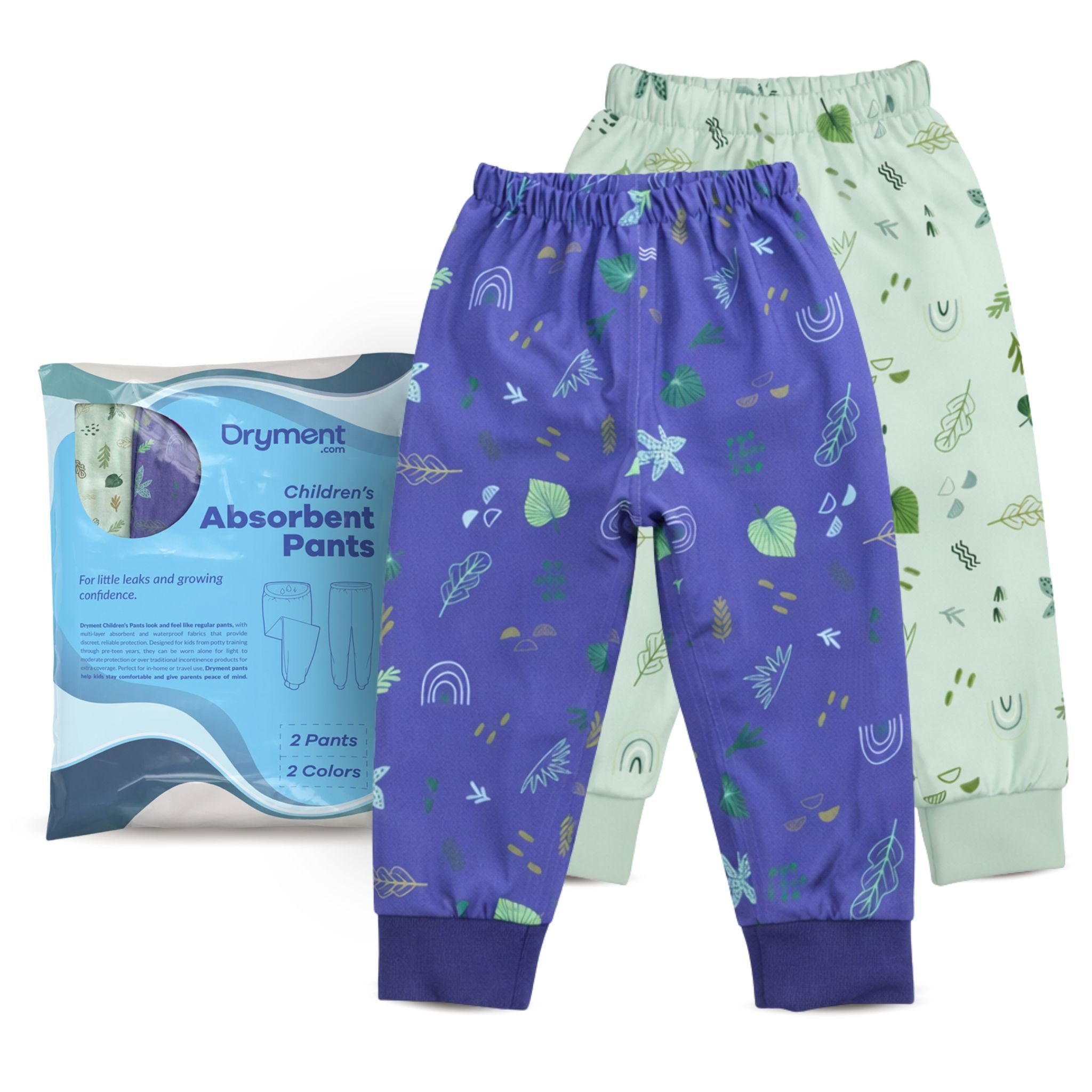
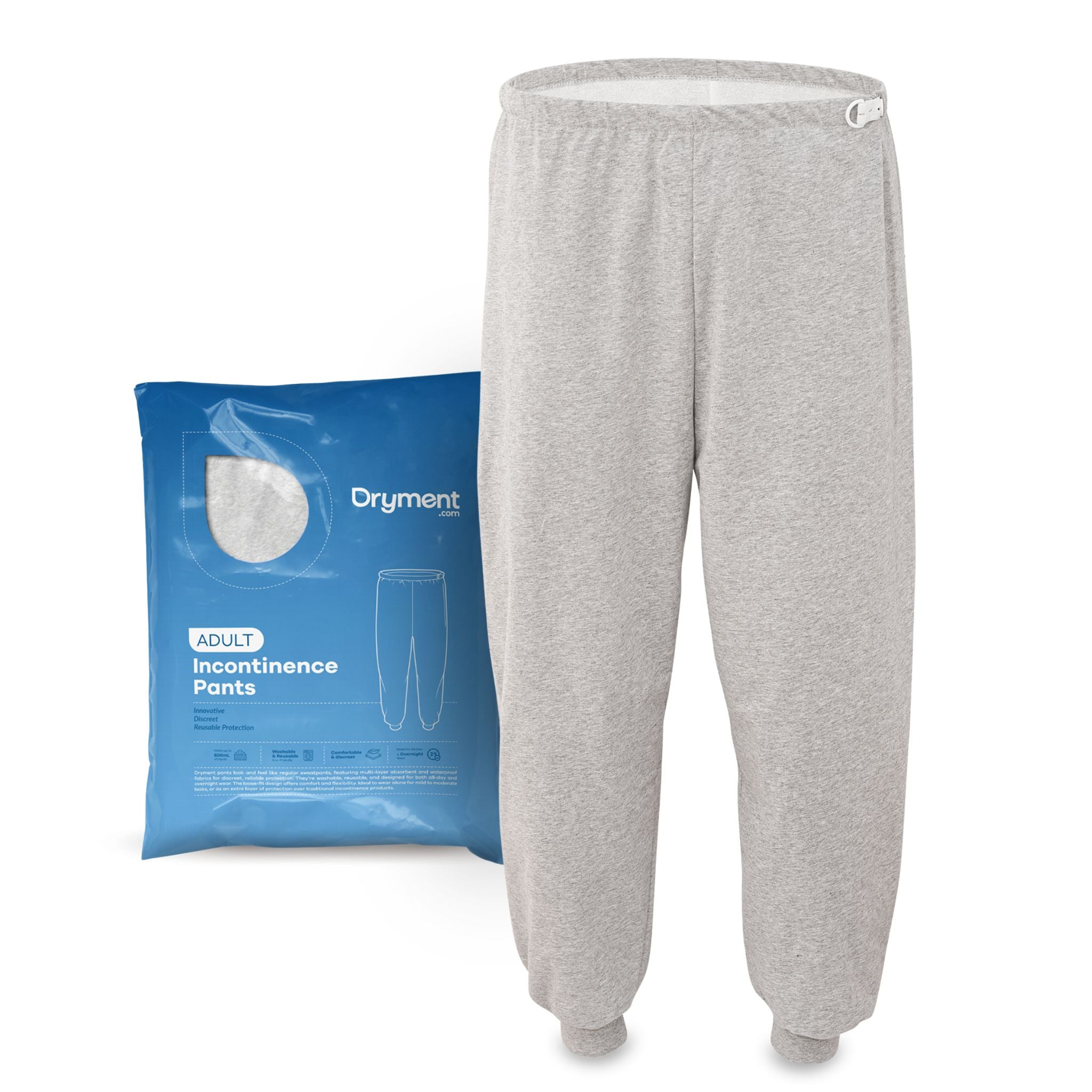
Wear comfortable, supportive clothing. Many people choose clothing solutions designed to provide additional peace of mind during daily activities. Washable absorbent garments can offer an extra layer of support while looking and feeling like everyday clothing. For example, some individuals prefer reusable absorbent pants such as Dryment because they fit naturally into everyday routines, are washable, and resemble regular sweatpants rather than specialized medical garments.
Create a routine that works for you. Finding a routine that fits your lifestyle can make managing bladder leaks feel more predictable and comfortable. Some people find it helpful to keep multiple pairs of absorbent clothing available throughout the week. Having a simple washing and rotation schedule can make day-to-day planning easier and reduce the need for frequent replacements.
Choose products that match your lifestyle. There is no one-size-fits-all solution when it comes to managing bladder leaks. Some people prefer disposable products, while others choose washable alternatives for their comfort, convenience, and reusability. Exploring different options can help you find what works best for your routine, activity level, and personal preferences.